How it works

How the program works

Users build personalized profiles of their environments, behaviors, comfort zones, and tools — creating a self-management system specific to them. The program works alongside clinical care, not as a replacement for medication or therapy.

Lesson content with outline and exercises
1

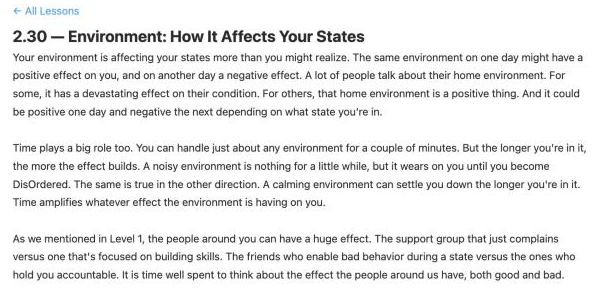
You start with lessons

Lessons are sequential educational content (video + reading, numbered 1.0 through 8.8). Exercises are interactive forms embedded within lessons that require user input before advancing. Exercises build the user's personal profile — rating environments, identifying behaviors, setting comfort zones, selecting tools, configuring timeline settings.

Daily check-in screen
2

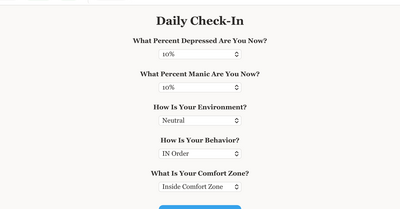
Daily check-ins keep you connected

A 30-second daily check-in captures mental state, environment, behavior, and tool usage. Over time, this builds the dataset that drives reports and pattern recognition.

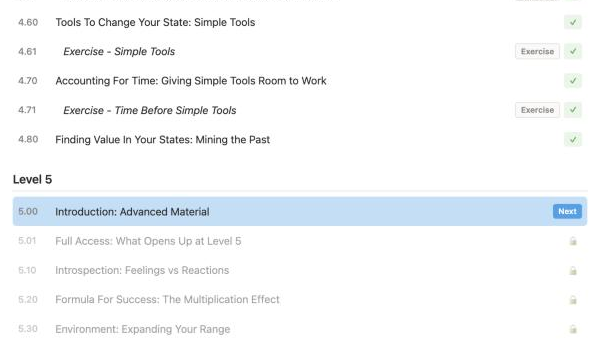
Lessons list showing level-based progression
3

Features unlock as you go

Features unlock as users progress through the program's lessons — starting with daily check-ins, then opening up tools, reports, and the timeline system. This keeps the experience from being overwhelming early on and ensures users understand each feature before they get access to it.

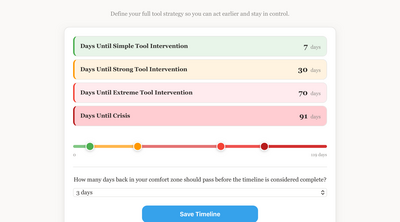
Timeline settings with graduated phases
4

The timeline responds when things escalate

When check-in data shows a trend outside the comfort zone, the program walks the user through a stepped response — starting with awareness, progressing to stronger tools when needed.

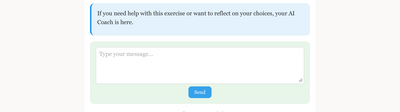
AI Coach interface
5

AI coaching throughout

AI-assisted reflection that reinforces self-awareness and helps users recognize patterns. Explicitly scoped to coaching — not clinical advice.

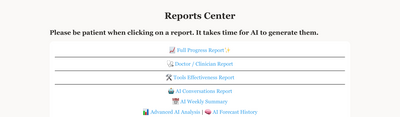
Reports Center
6

Track progress and share it

The app generates reports that show users how they're doing over time — mood trends, which tools are working, behavioral patterns, and AI-generated insights. Users see their own data. Partners see aggregate outcomes across their cohort — engagement, cost savings, tool effectiveness — but never individual check-in data or conversations.

Users can share their check-in data, tool usage, AI coaching conversations, and reports with therapists, doctors, family, or researchers — choosing exactly what each person can and cannot see. A therapist might get the clinical report and tools data. A spouse might see only the weekly summary. The user decides, and can revoke access at any time. All access is logged for HIPAA compliance.
Ready to start?

Helping people improve their lives since 2003.

Join the Program →